


I’ve been thinking about the Texas border ever since 2023.
That year, I made a project called Title 8 and drove the line from Brownsville / Matamoros all the way to El Paso / Ciudad Juárez—crossing back and forth between the U.S. and Mexico whenever I could. I went there with one idea in mind: document the state of mind of the people trying to cross the border, after a big change in US policies.
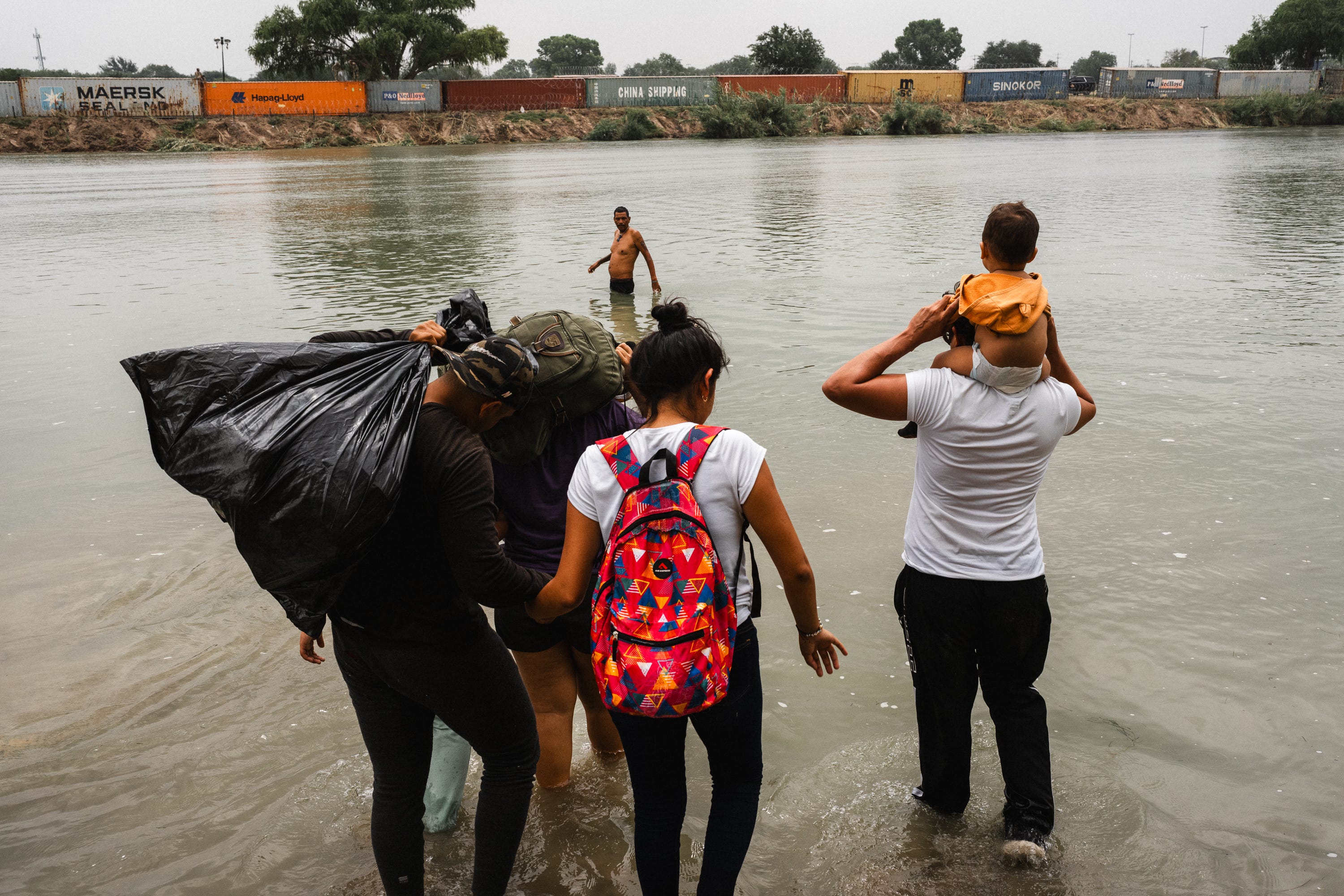
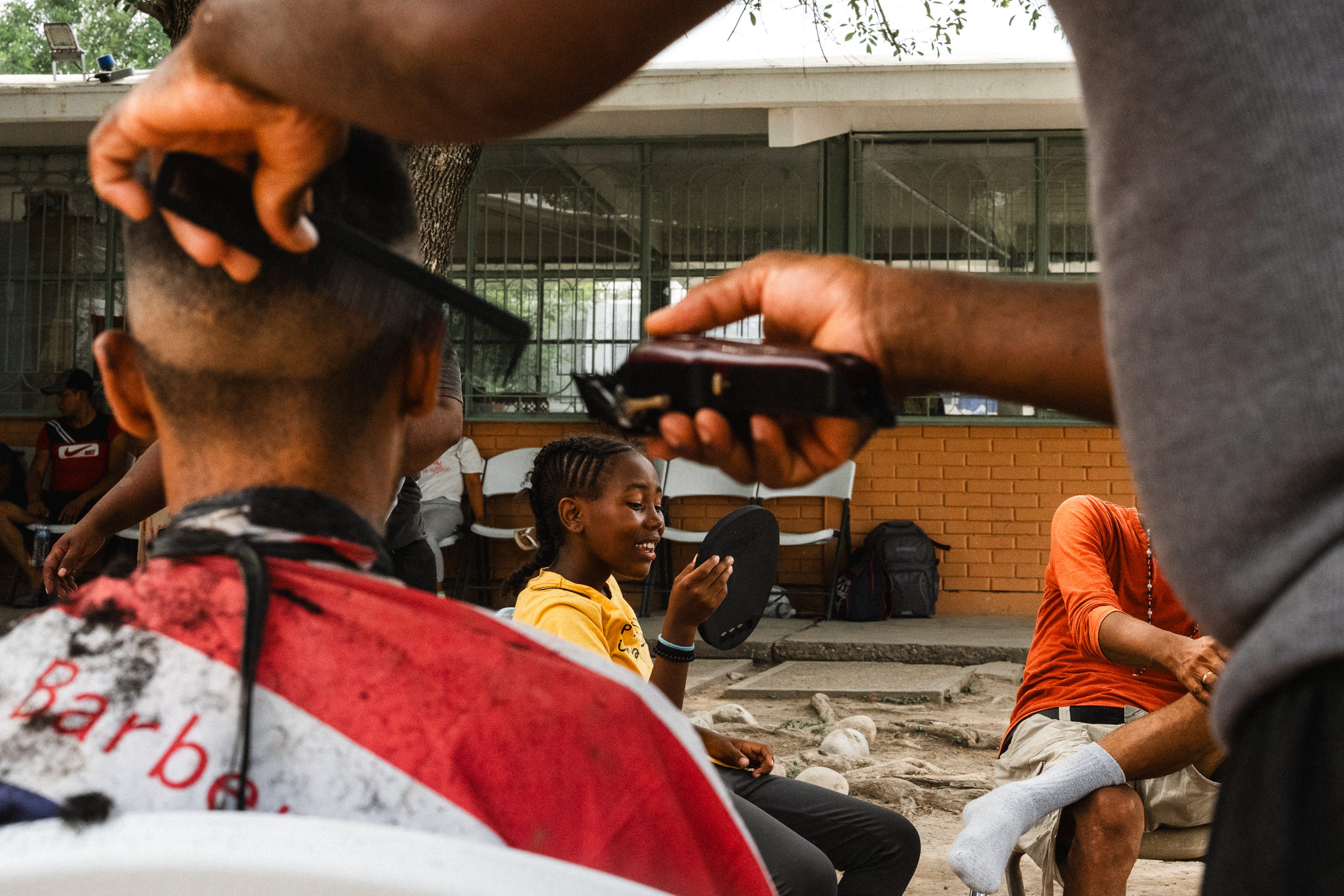
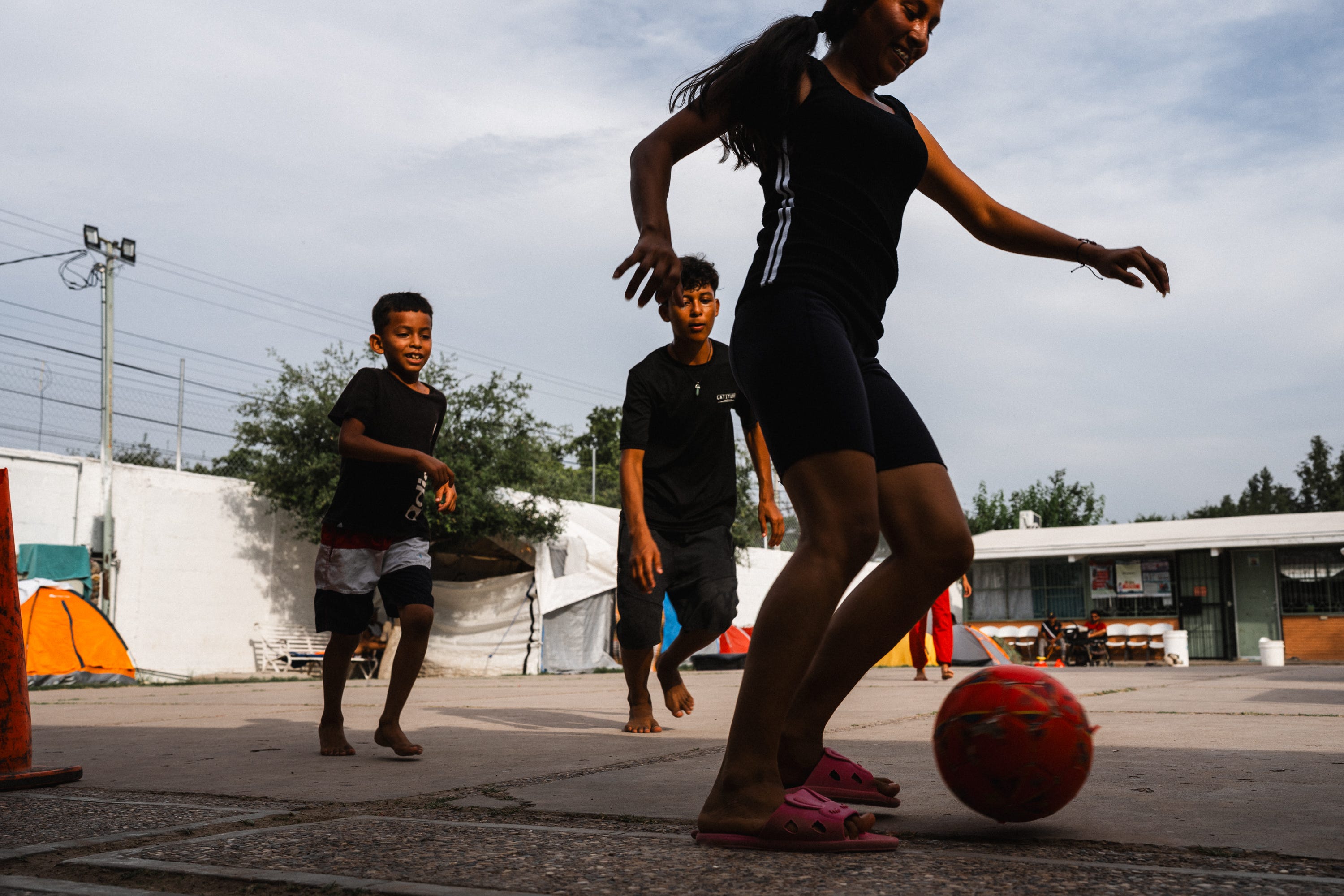
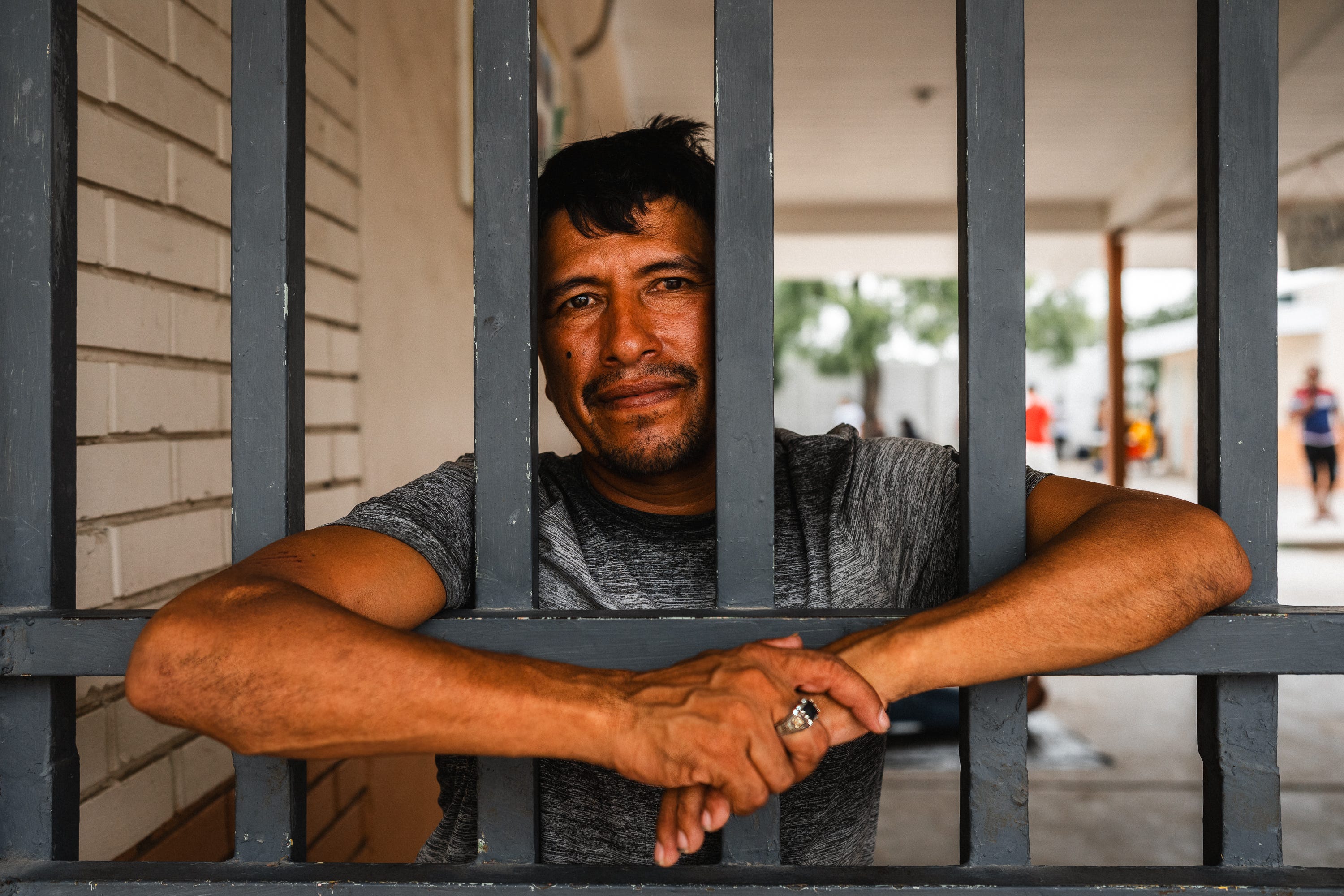
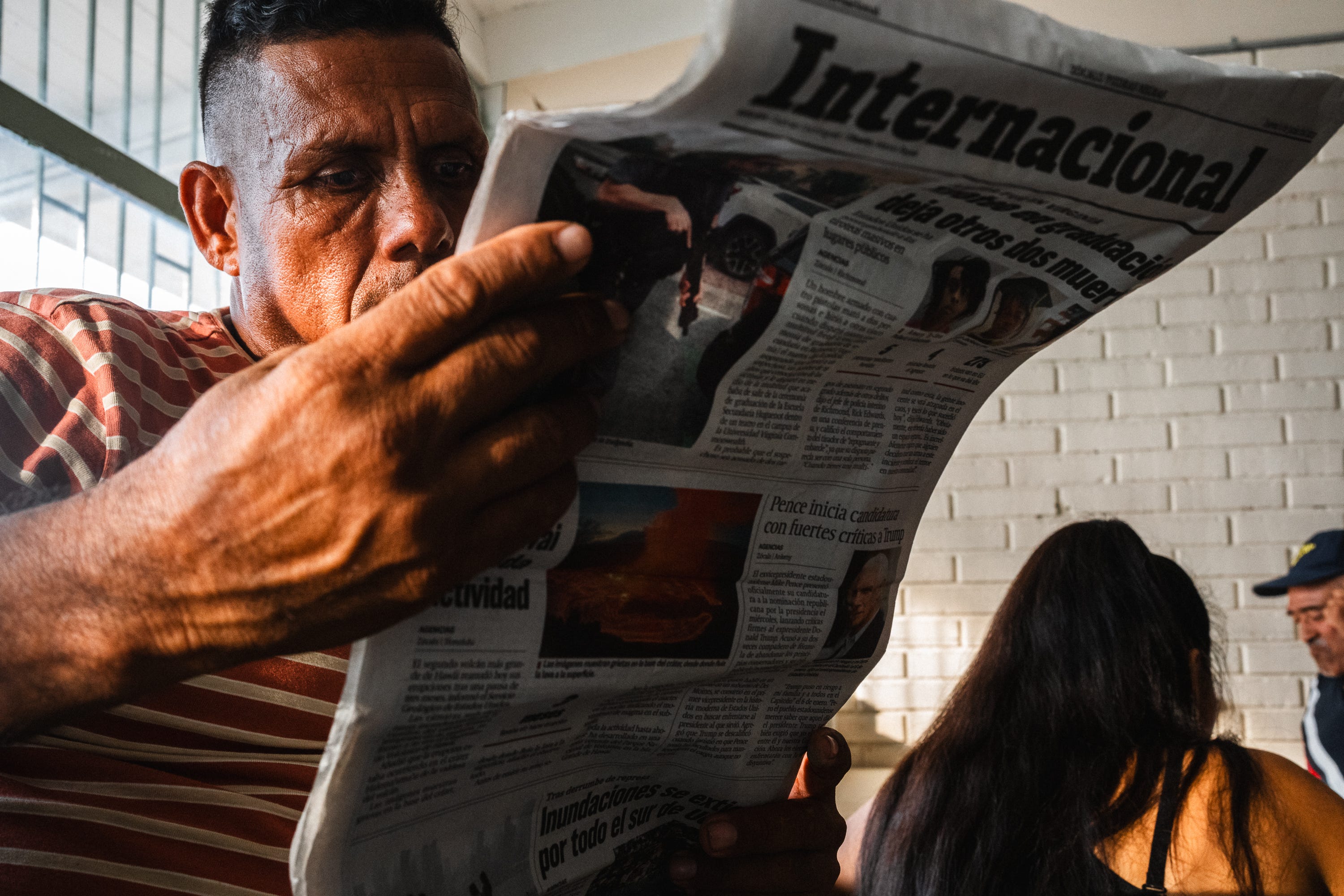
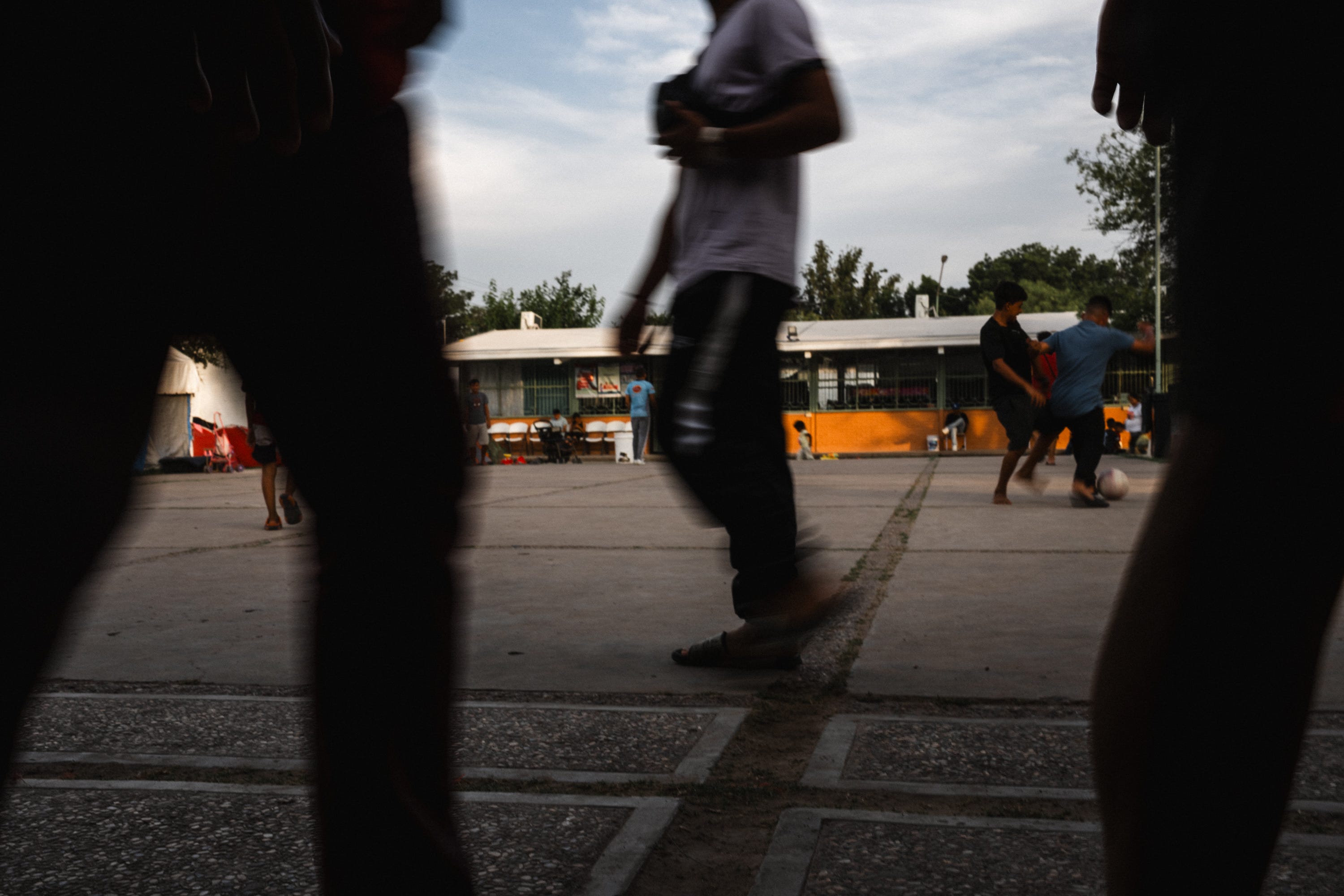
I came back with something else too: this feeling that the border isn’t a clean cut. It’s a mirror.
Not the politics, not the flags—the textures. The light. The dust. The roadside businesses. The families doing groceries. The kids walking home. Even the way time stretches when you’re waiting for something to happen. On both sides, I kept noticing the same small scenes repeating, just with different signs and different uniforms.
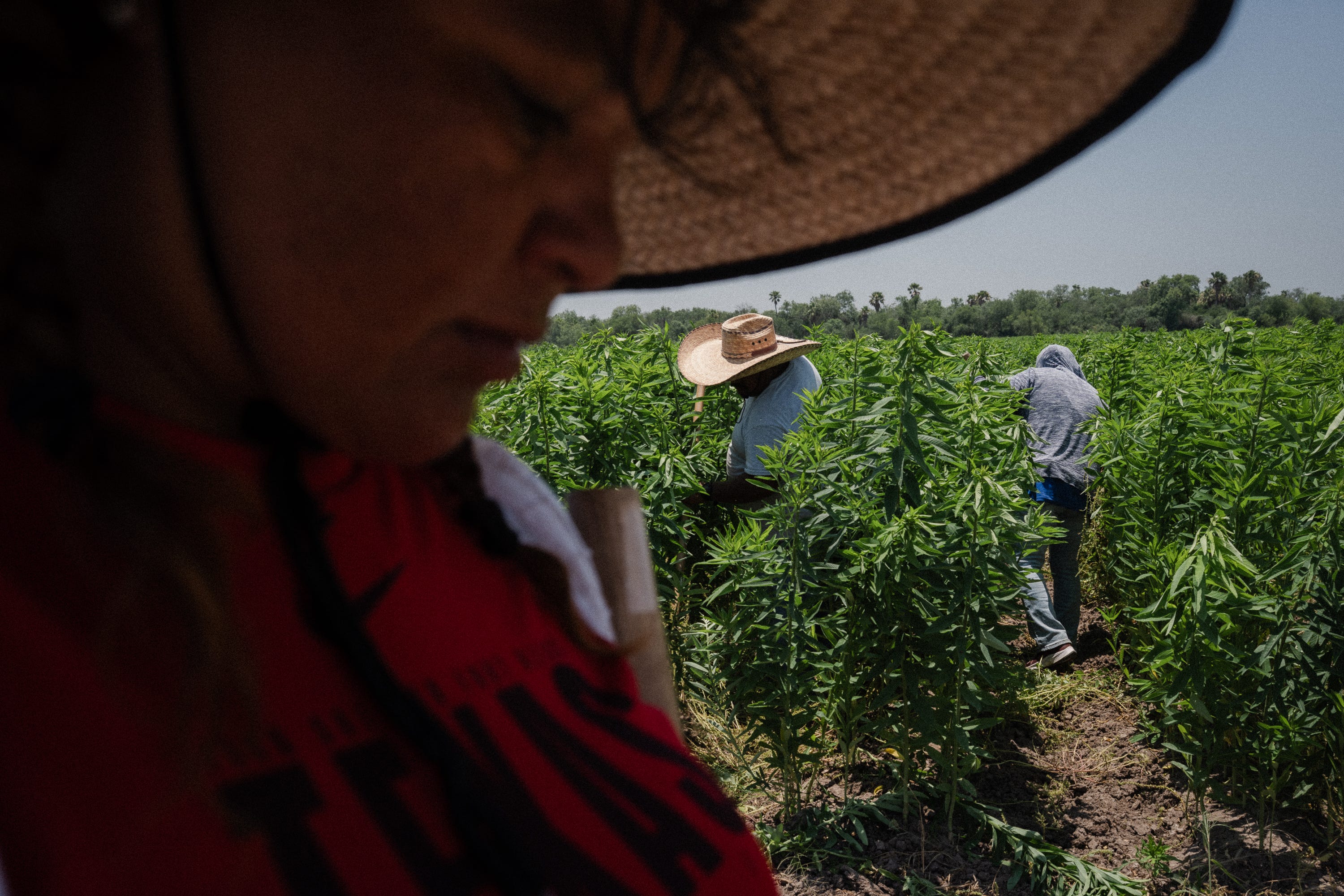
And then, somewhere along the way—usually in conversations that started about something totally different—I kept hearing the same word come back: colonias.
At first it was vague. People would mention them like you’re supposed to already know: “A lot of folks end up out there after they land in Brownsville.” Or: “You should go see the colonias.”
That was enough to plant the seed.
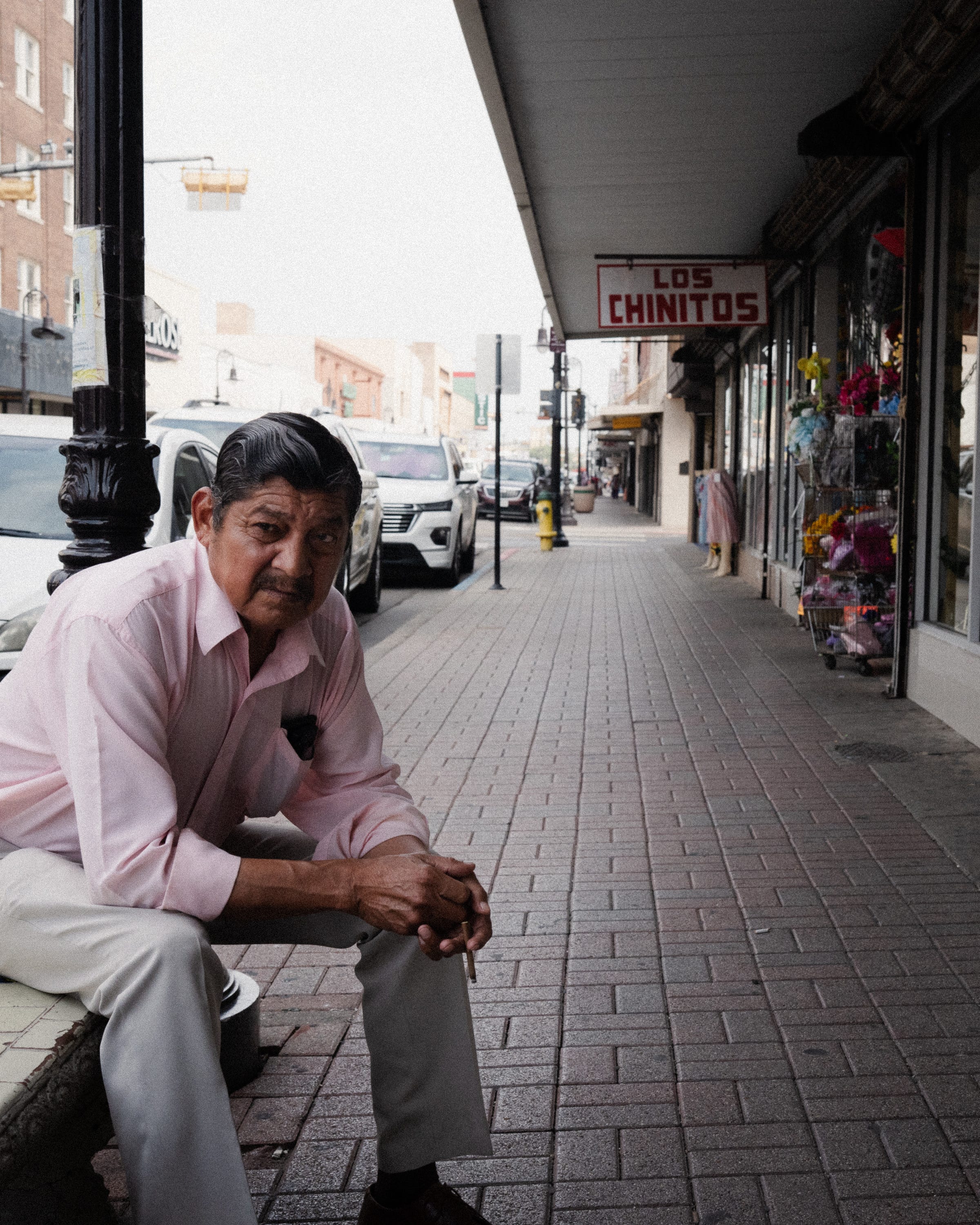
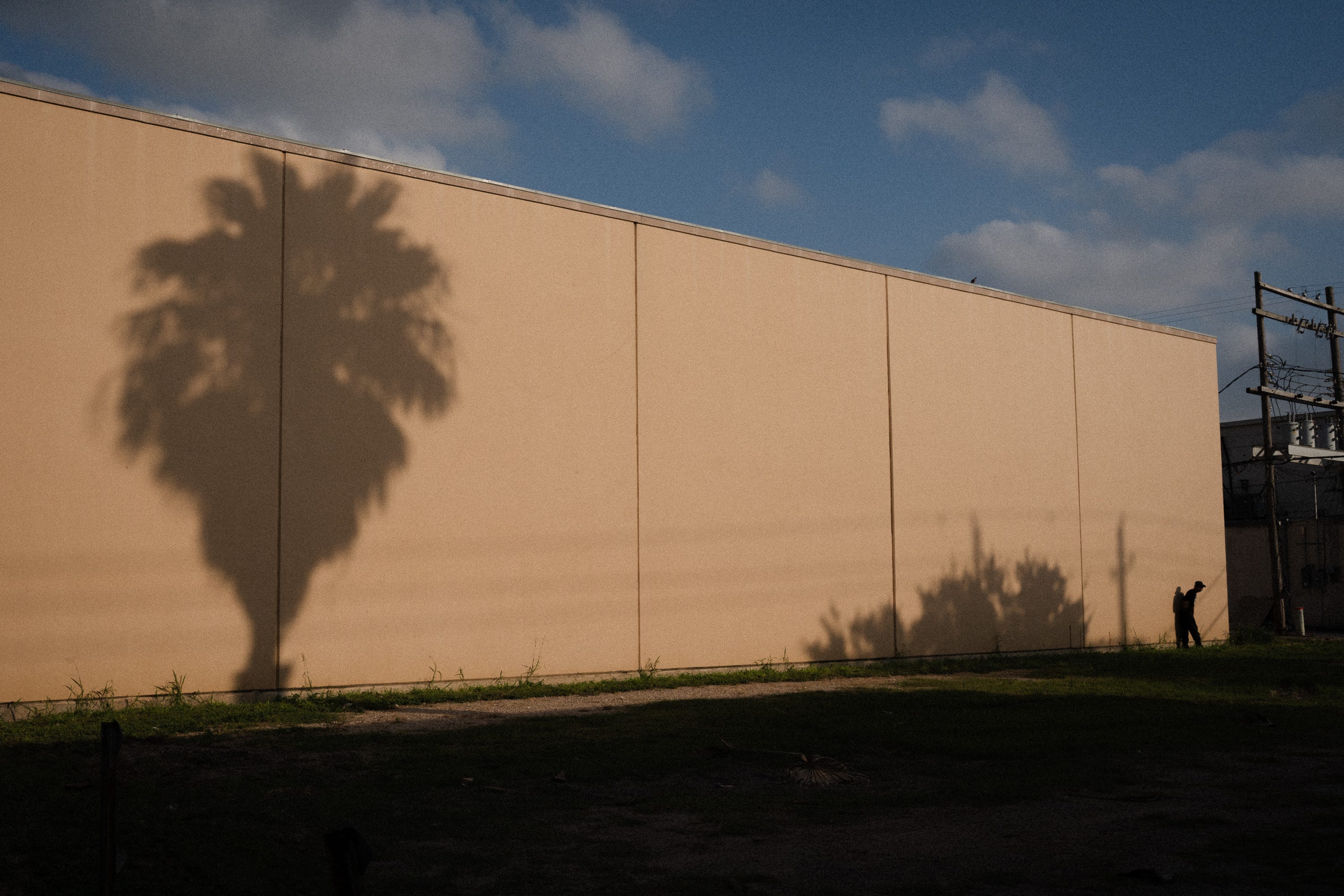
So… what is a “colonia”?
First: in Spanish, “colonia” just means neighborhood. Nothing dramatic about the word itself.
But in the U.S.-Mexico border context, a colonia has a specific meaning. In simple terms:
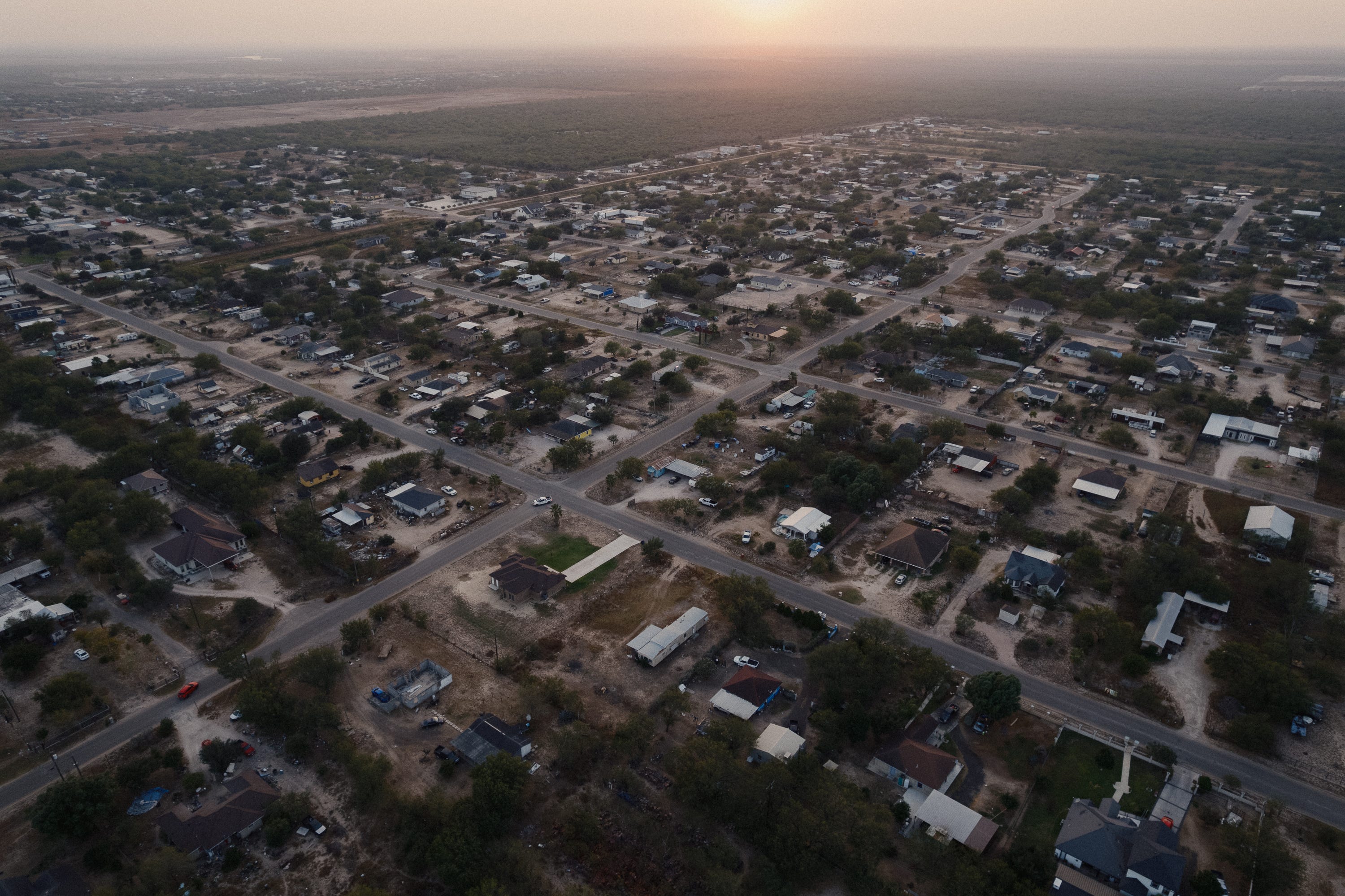
A colonia is usually an unincorporated neighborhood (often outside city limits), where basic services are missing or incomplete—things most of us take for granted, like reliable drinking water, sewage, storm drainage, paved roads, streetlights, and sometimes even clear land ownership.


They exist across the border region, but Texas has the largest concentration. Depending on how an agency counts and defines them, you’ll see different totals—but the big picture doesn’t change: hundreds of thousands of people live in these communities along the border.
And that’s the part that got stuck in my head. Because from far away, the border is often presented as a single story (crossing / enforcement / “crisis”). But colonias suggest another story running in parallel: how people settle, build, and live once the headlines move on.
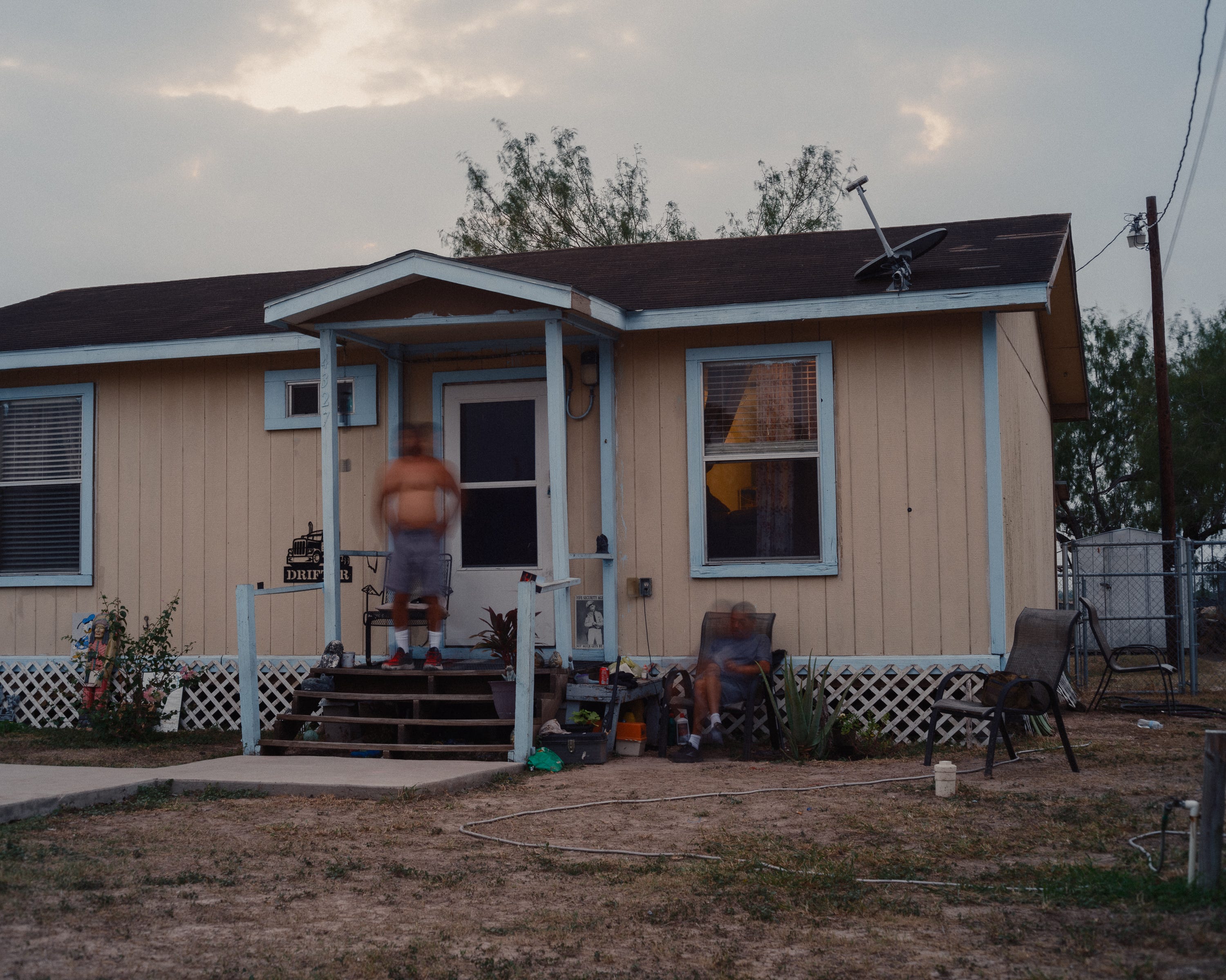
A quick (and important) history of colonias
This isn’t new. Colonias didn’t appear last year, or after one election, or because of one policy.
Most of the growth traces back to the mid-20th century, when border counties expanded fast and housing inside cities didn’t keep up. Developers bought cheap land outside city limits, cut it into small lots, and sold it to working families who could manage a monthly payment—but often couldn’t access traditional mortgages.
A key piece of that story is the way land was sold: contract-for-deed.
In this model, the buyer pays monthly, but the seller can keep the deed until the full amount is paid. In practice, it often meant less protection for buyers, and it also made it easier for developers to avoid the kinds of infrastructure requirements that would come with a fully regulated subdivision. No water line? No sewer? No drainage? The lots still got sold.
At the same time, in places like the Rio Grande Valley, a lot of colonias were built on former agricultural land—flat, low-lying areas where flooding can be a regular fact of life. When you combine that geography with missing drainage and unpaved roads, you start to understand why “infrastructure” isn’t an abstract word here. It’s something that shows up in the kitchen, in the yard, in the tires, in the street.
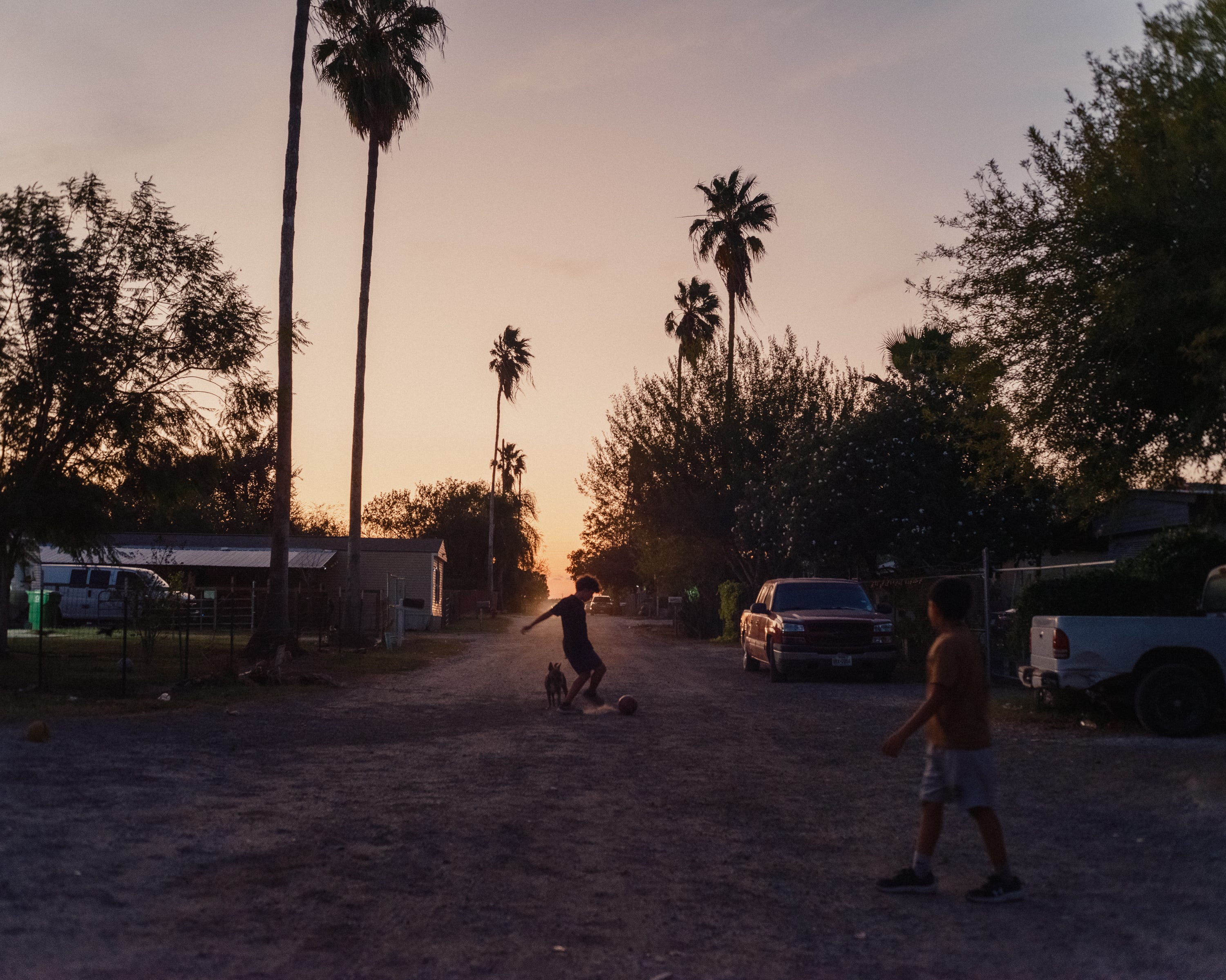
Over time, there have been programs and funding streams meant to address these gaps. Some places have seen real improvements. Others are still waiting. And even when progress happens, it can be uneven—one street gets pavement, the next one doesn’t. One block gets a connection, the next one still hauls water.
Why I’m coming back now
I’m returning to the border because I want to slow down and look at this up close.
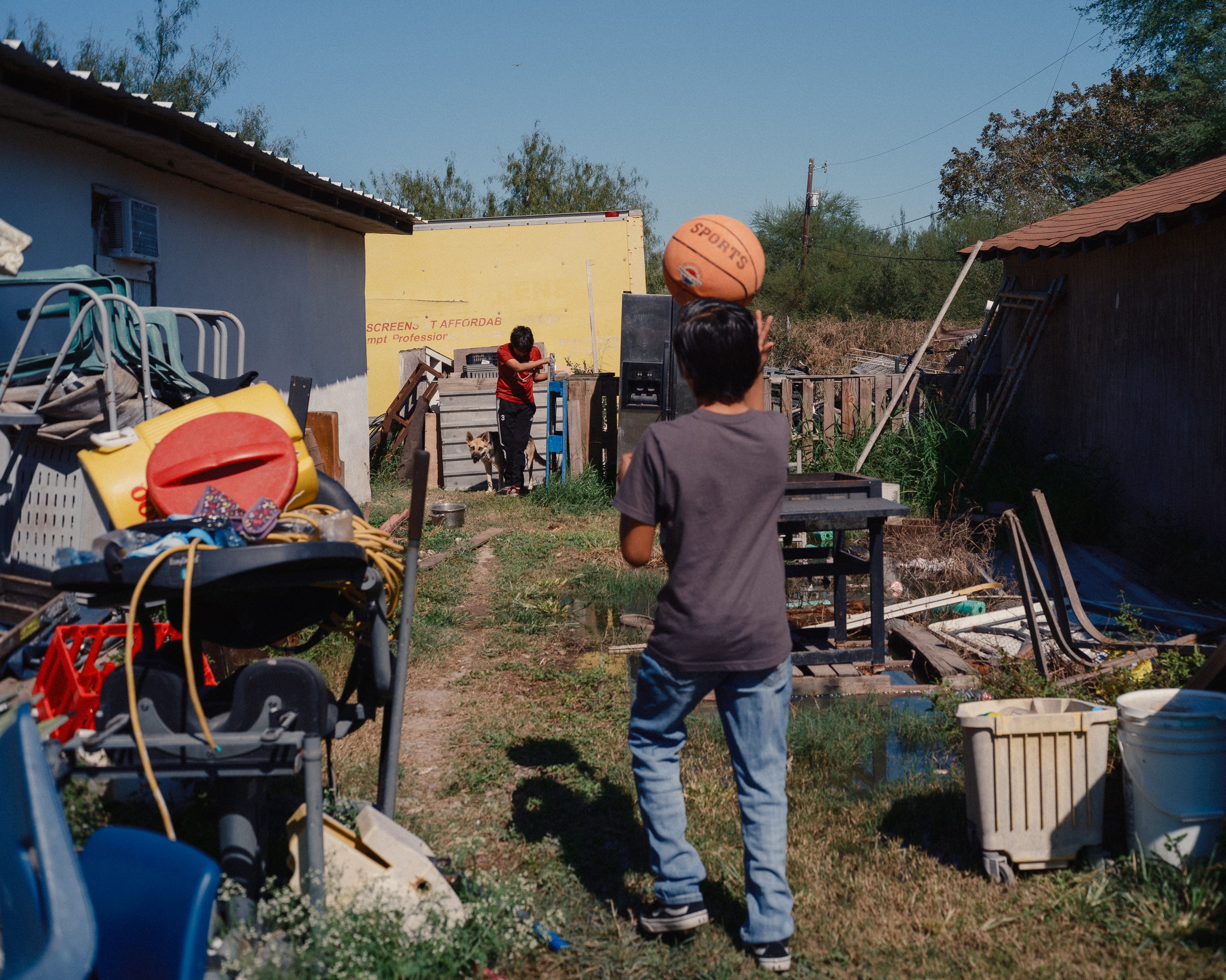
The colonias are often described in broad terms—poverty, lack of services, “third-world conditions,” you’ve heard the phrases. But I’m interested in the everyday reality inside those words:
What does it look like when water access isn’t guaranteed?
What does it mean to live in a place where the map says “U.S.” but the basics still feel temporary?
How do people adapt—practically, emotionally, socially—when improvements come slowly, or not at all?
And what does community look like when a neighborhood is built through incremental effort—one cinder block, one repair, one favor, one family at a time?
This project (and these notes) will sit in that space: between policy and the porch.
What these field notes will be
This is the first entry, so it’s mostly context—why I’m here, and what the word “colonia” really holds.
The next notes will be more like what I love about field work: small moments, details, conversations, surprises, wrong turns, and the slow accumulation of understanding. I’ll share what I’m seeing and learning as I move through different places—what matches what I thought I knew, and what doesn’t.
If you’ve been following my work for a while, you know I’m not chasing a single “statement photo.” I’m chasing something quieter: the texture of real life, and the way people keep going inside conditions they didn’t choose.
More soon—from the road, from the edge of town, from the places you don’t pass through unless someone tells you, “You should go see.”
Man. Those are heavy questions and the images truly connect the weight of the subject matter. Always superb, Wayan. Think you're one of the best on substack. Stay well down there.